For a long time, reading a book has meant one thing: turning pages. But lately, a few works have quietly upended that assumption. Instead of turning pages, you open envelopes, one at a time. Before you read anything, your hands have to move first.
A standout example is "Nininshou" (二人称), an epistolary novel produced by the band Yorushika. It follows a strange correspondence between a boy who writes poetry and a "teacher" well versed in literature — a exchange that starts with a single letter, one the reader follows by physically opening real pieces of mail.
The idea of a story told entirely through letters isn't new on its own. What makes "Nininshou" interesting is that the letters are genuinely made of paper, ink, and envelopes. You open before you read. That extra step closes the distance between reader and story almost instantly.
Turning envelopes instead of pages
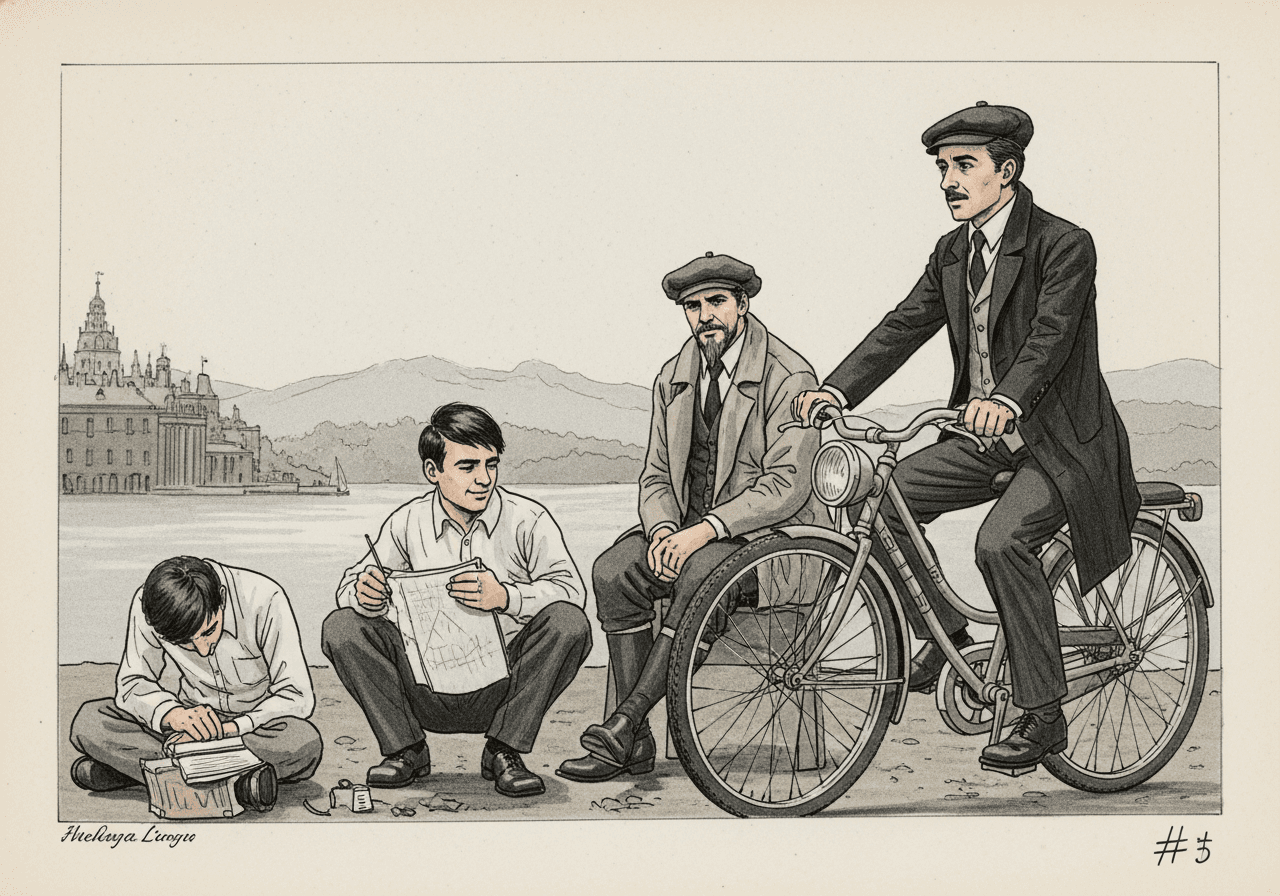
Built entirely out of physical mail, the sheer volume — an outer box, 32 envelopes, and roughly 170 sheets of letters — becomes the story's weight.
"Nininshou" was released on February 26, 2026. Inside a compact box measuring 315mm square and 55mm thick sit 32 envelopes containing about 170 pages of letters in total. Readers break the seal, pull out the stationery, and follow the words. That physical motion becomes part of the reading experience itself — a decisive difference from an ordinary novel.
With a regular book, you already know what's on the next page the moment you open it. An envelope doesn't work that way. To find out what's inside, you first have to cut it open with your fingers. That brief pause before knowing fits the subject of correspondence perfectly.
Designed as an experience
- The act of opening the envelope is itself part of the story
- It recreates the texture of letters as a medium — paper, stationery, handwriting-style layout
- It's a multi-part release paired with a companion digital album

From "reading" to "experiencing"
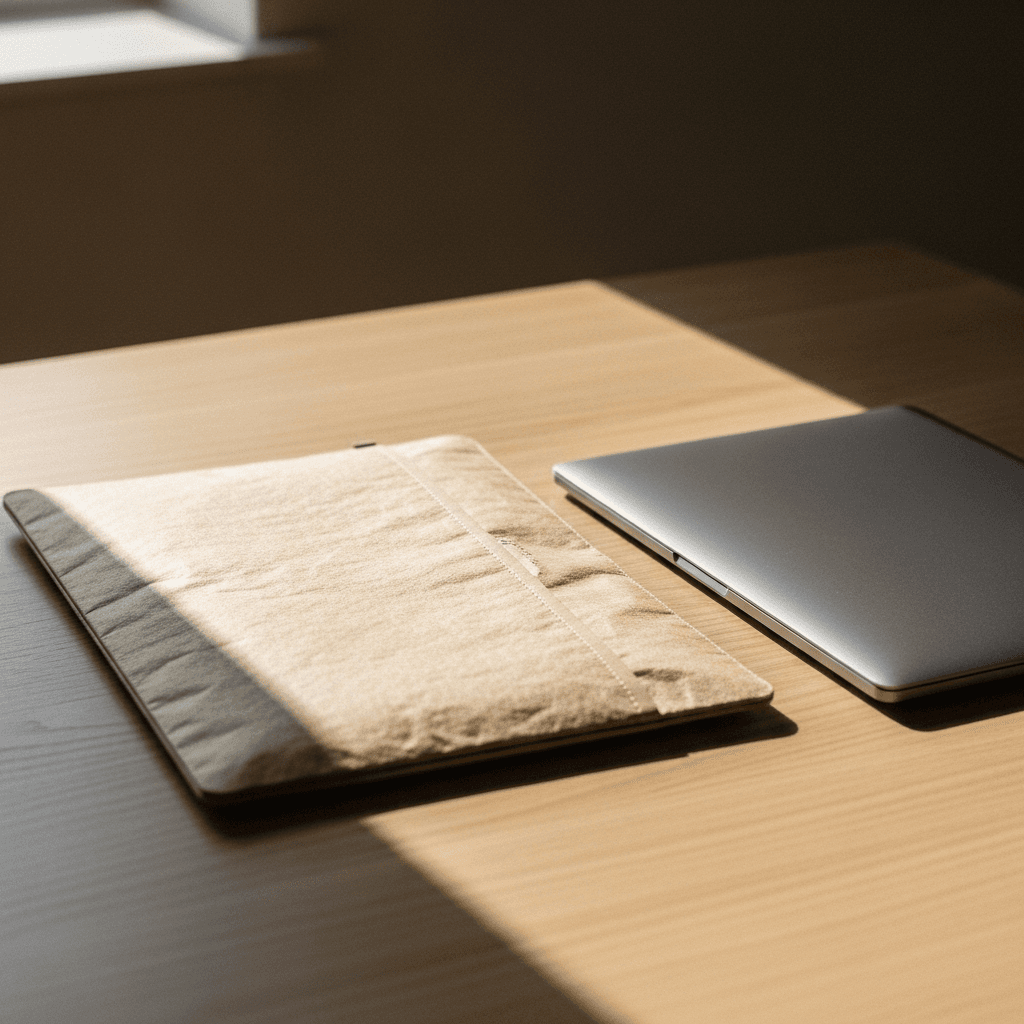
A physical book you can hold has a weight and texture that an e-book simply doesn't.
In an era where e-books and audiobooks are the default, deliberately choosing paper, ink, and envelopes — a format that takes more effort — might look inefficient at first glance. But that's exactly what makes it stand out. Picking it up, opening it, touching it: memories formed through the body tend to last longer than the experience of scrolling a screen.
"Nininshou" is a project from a music artist, but the approach itself could easily spread further — into novels, picture books, or even product packaging. Leaving room for the reader to physically participate is one of the few weapons a physical book still has against digital content.
In closing — moving your hands becomes part of the story
Open it, touch it, read it. More books are turning that whole sequence of motions into the experience itself.
Epistolary novels like "Nininshou" aren't just a novelty gimmick — they're an invitation to reconsider what "reading" actually means.
Turning pages, or envelopes, while warming your hands around THE YADOM isn't a bad way to spend an evening either. Next time you pick out a book, look for one that starts with the simple act of opening it.