Written by: Jin Fujisaki / Published: 2026-02-10
Non-stick coated pans (like Teflon) are convenient. But no matter how carefully you treat them, after a few years the coating peels and food starts to stick. Each time, you buy a new one and throw the old one away. Have you ever questioned this cycle?
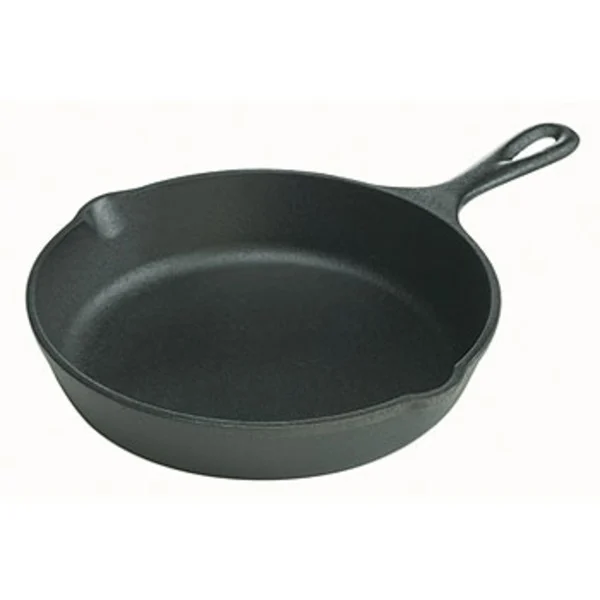
The "Skillet" made by the American company LODGE is an antithesis to that throwaway culture. The material is thick cast iron. There's no coating here to peel off in the first place. There is only "iron" — iron that grows more seasoned, blacker, and stronger the more you use it.
| 5mm Thick. Steakhouse Flavor at Home

image Naturum
Why does food cooked in a skillet taste so much better? The secret lies in its "heat retention," which is incomparable to that of an ordinary frying pan.
The moment you place a cold steak on a thin frying pan, the temperature of the metal plummets. As a result, moisture seeps out of the meat, leaving you with a soggy finish. The Lodge skillet, however, is about 5mm thick. Because it stores an overwhelming amount of heat, the temperature doesn't drop when you place meat on it — instead, the surface sears instantly with that satisfying "sizzle!" Crispy on the outside, juicy on the inside. Just by searing, cheap supermarket meat is transformed into something worthy of a specialty restaurant.
| No Need for the Tedious "Seasoning" Process
image Yahoo!
Old-fashioned iron pans required a tedious ritual before their first use: burning off the rust-preventive wax (known as seasoning). This was what made iron pans feel intimidating to many.
However, today's Lodge products come pre-seasoned with soybean oil at the factory. This is what they call "Lodge Logic." On the very day you buy it, a quick rinse with hot water is all it takes before you can sear a steak. It's a traditional tool, yet one that has evolved to suit the busy lives of modern people.
| From Kitchen to Campsite to Dining Table
image Pro Kitchen
Since it's made entirely of iron, right down to the handle, the concept of "maximum heat tolerance" simply doesn't apply. Sear the surface on the stovetop, then transfer it directly into the oven to cook through. Or toss it straight into a campfire for some bold outdoor cooking. That kind of versatility is possible.
What's more, the Lodge way is to bring it straight to the table as a serving dish once cooking is done. Thanks to its excellent heat retention, the food stays warm so you can enjoy it piping hot until the last bite. The black iron vessel makes the colors of the food pop — it's not only Instagram-worthy, but it also cuts down on the dishes you have to wash.
| No Detergent Needed. The Joy of Raising Your Pan
image Kinarino
After use, you scrub it with a brush and hot water — no detergent. Using detergent would strip away the precious oil layer you've worked to build up. Dry it thoroughly, apply a thin coat of oil, and store. This little extra step is the time you spend "raising" your skillet.
The more you use it, the more the oil builds up in layers, and food stops sticking. This is what's called a "Black Pot." Depending on how you care for it, it can be passed down to your children and grandchildren. Don't think of it as a frying pan — use it with the intention of crafting a family heirloom.
| Conclusion: Get Yourself Something That Lasts a Lifetime
image Pinkol
For the same price as a Teflon frying pan, you can get a tool that will last a lifetime.
It's heavy. It needs care. But the "deliciousness" and "attachment" it gives back more than make up for that inconvenience. Why not start your iron-pan life with a small size first? Just frying a single egg will be enough to surprise you with the difference.