Written by: Jin Fujisaki / Published: 2026-01-22
A walking stick (cane)—
it's often discussed merely as "an aid for walking,"
but in truth, it carries a deep background as a device for expressing dress culture, history, and individuality.
Far from being an ordinary everyday item,
it is a tool of space and body that transforms your standing figure with every step——
that is what the English walking stick is.
- | What is an English Walking Stick?
- | Why did the walking stick become a culture in England?
- Symbol of Authority and the Gentleman
- Part of Fashion
- Historical Background
- | A Brand with History: SWAINE Walking Sticks
- Tradition and Craftsmanship
- Connection with the Royal Family
- Customization and Care
- | The Beginning of Walking Stick Culture in Japan
- | The Coexistence of Function and Design
- Materials
- Shapes and Variations
- Expression as Gesture
- | Who is it suited for?
- | Summary | With every step, your posture and time fall into place
- | Related Links
| What is an English Walking Stick?

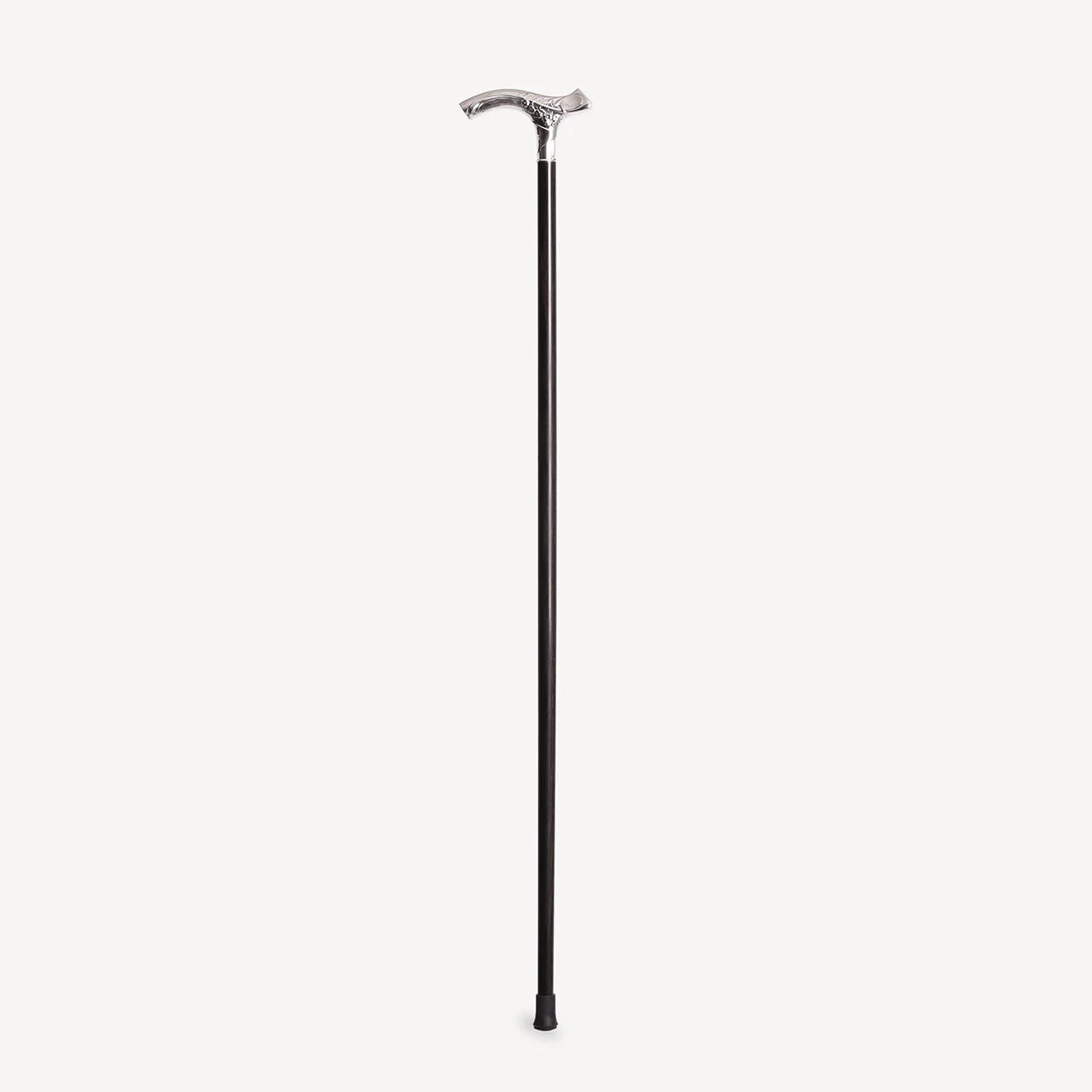
image SWAINE
The English walking stick is
a gentlemanly cane originating in Britain——in other words, a walking stick.
Beyond mere functionality,
it embodies "style," "dignity," and "self-expression,"
serving as a tool that bridges the body and the outside world.
In particular, the collection from the historic British brand
SWAINE, founded in 1750,
is a representative example of this lineage.
For many years, it has been beloved by royalty and gentlemen alike.
| Why did the walking stick become a culture in England?

image SWAINE
Originally, walking sticks
began as walking aids and practical tools.
However, by the 17th to 19th centuries,
within the gentleman's culture of Britain and Europe,
they came to hold meaning beyond that of a mere implement.
Symbol of Authority and the Gentleman
A walking stick is a tool that influences one's "standing posture" and "gestures."
The figure of someone holding a cane
came to symbolize dignity, refinement, and composure.
Part of Fashion
Like hats, shoes, and coats,
walking sticks too came to be treated as part of one's attire,
giving rise to a culture of expressing individuality through patterns and materials.
Historical Background
In the era before automobiles became widespread,
walking itself made up the greater part of daily life.
The cane—used to compose one's posture and gestures—
was also a design device for ordering body and time.
| A Brand with History: SWAINE Walking Sticks

image SWAINE
The long-established British brand SWAINE
is a distinguished walking stick house with a heritage stretching back to 1750.
Tradition and Craftsmanship
SWAINE walking sticks
inherit centuries of artisan technique,
with a refined aesthetic packed into every detail of their finish and material use.
Connection with the Royal Family
In the mid-19th century, the cane Queen Victoria gave to Prince Albert drew attention,
and walking stick culture established its firm position as a symbol of the British gentleman.
Customization and Care
Even today,
at the New Bond Street workshop,
customization and repairs are available,
offering an experience of a piece you can use for a lifetime.
| The Beginning of Walking Stick Culture in Japan

image SWAINE
Walking stick culture took deep root in Japan as well,
and the history of
Ginza Takagen—said to be Japan's first walking stick specialty shop—
is symbolic of this.
Founded in Meiji 15 (1882),
its proprietor was originally a sword merchant
who became enchanted by Western walking sticks
and launched the business as a cane specialty shop.
Even the Japanese word "sutekki" (ステッキ) itself
is said to have taken root from a mishearing of "walking stick."
| The Coexistence of Function and Design

image SWAINE
The English walking stick is
a tool in which functionality and design hold equally true at the same time.
Materials
- Ebony
- Chestnut wood
- Ivory, bone, and metal ornamentation
and more—
the material you choose changes both the feel and the presence of the piece.
Shapes and Variations
- Classic Dress Stick (for gentleman's attire)
- Walking Stick (for strolls)
- Functional types with a built-in compass, etc.
In this way,
there is a wide range to choose from according to purpose and taste.
Expression as Gesture
The act of carrying a walking stick
lends grace and a sense of "ma" (negative space)
to the sequence of motions: walking, standing, sitting, stopping.
| Who is it suited for?

image SWAINE
The English walking stick resonates with people like these:
- Those who want to enjoy walking as a form of bodily expression
- Those who want to add a small touch of elevation to their everyday attire
- Those who want to balance practicality with aesthetic sensibility
- Those searching for a special gift for family or themselves
A walking stick is not merely a cane,
but a "tool" that orders your standing posture and the way you inhabit space.
| Summary | With every step, your posture and time fall into place
How was it?
The English walking stick is
- Craftsmanship refined over many centuries
- A symbol of traditional gentleman's culture
- A design that orders body and stride
- A masterpiece combining individuality and history
—a tool packed with all of these elements,
yet one that blends naturally into daily life on its own.
Simply by carrying it as you walk,
a habit emerges of quietly contemplating your very gestures——
that is the true value of the product known as the English walking stick.
(One could call it a "walking expression device" that brings together history, design, and experience.)