Written by: Jin Fujisaki / Published: 2026-02-17
In 2026, as the Pro models of the iPhone and Galaxy keep climbing to 250,000 or even 300,000 yen, a yellow box arrived at the door of those of us who had nearly given up, thinking, "We just can't afford high-performance smartphones anymore." The POCO F8 Pro. What's inside is nothing short of a "provocation to the market."
At its heart sits Qualcomm's near-flagship chip, the "Snapdragon 8s Gen 5 (tentative name)." Its Antutu benchmark score is a staggering 3.5 million-plus (measured). That's on par with—or even better than—rival flagship phones in the 200,000-yen class. And yet, the global version is priced at around $550 (roughly the 80,000-yen range in Japan). It's overwhelming, almost violent cost performance that makes you want to ask, "How can they make this for half the price?"
| Genshin and Star Rail Glued to "120fps." Abnormal Cooling Performance

image Yoichi Gadget
This phone's true value lies not in the benchmark numbers, but in the "gaming experience." Even when running heavyweight titles like Genshin Impact and Honkai: Star Rail on maximum graphics settings, the frame rate stays glued to 120fps without dropping.
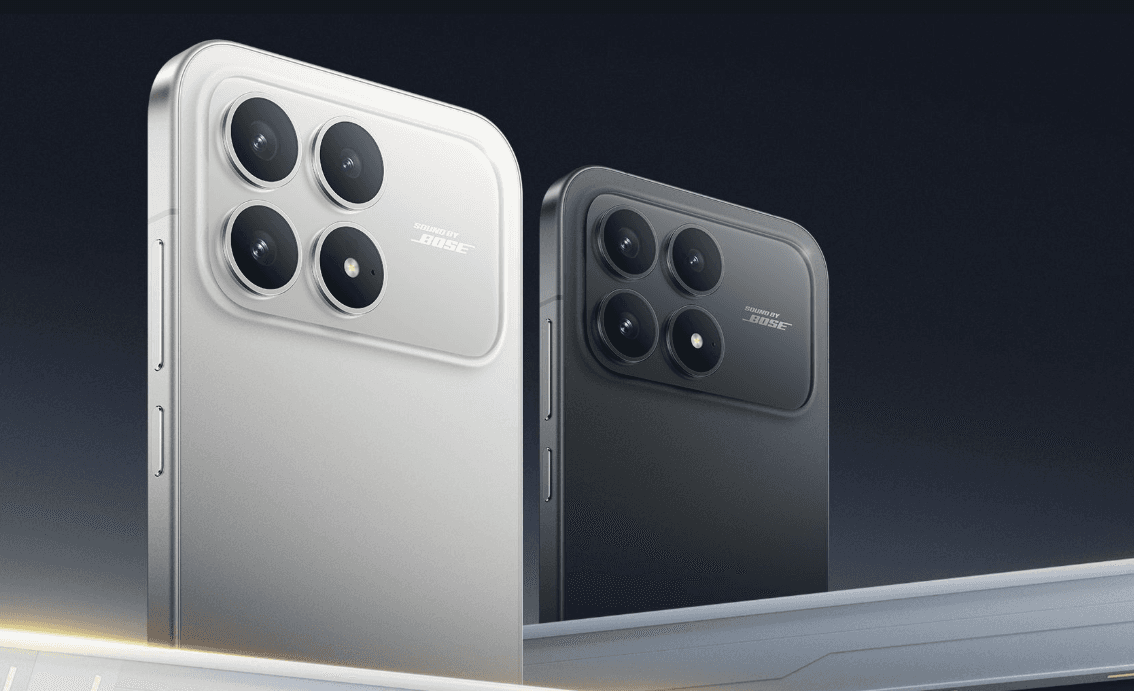
The secret is a massive vapor chamber (cooling mechanism) that covers nearly the entire back of the device—"LiquidCool Technology 6.0." POCO is traditionally a brand that spends on "cooling over cameras." Even after long play sessions, the body only gets faintly warm. This stability—free from thermal throttling (performance drops due to heat)—surpasses even pricey gaming smartphones. At this point, you might as well call it "a portable game console that can also make phone calls."
| Bright Screen, Fast Charging. The Xiaomi DNA

image Rakuten Ichiba
There are no compromises on the display either. The 6.67-inch Flow AMOLED (OLED) supports a 144Hz refresh rate. Peak brightness exceeds 4,000 nits, delivering excellent visibility even under direct midsummer sunlight. The bezels have been shaved down to the absolute minimum, and the immersive feel of the screen is pure high-end.
And the signature Xiaomi-lineage trick, "120W HyperCharge," is alive and well. Wake up in the morning and realize you forgot to charge it? No problem. In the 15 minutes it takes to brush your teeth and wash your face, the battery climbs from 0% to nearly 100%. Once you get used to this speed, there's no going back to other companies' "fast charging (lol)."
| What Was Cut: "Camera" and "Build Feel." But That's What Makes It Great

image Rakuten Ichiba
Of course, there's a reason for the low price. First, the camera performance is "decent." The 200MP main camera takes beautiful shots, but the telephoto and ultra-wide lenses can't match those of a 200,000-yen smartphone. It's not for people who want to "take a beautiful photo of the moon" or "shoot cinematic-quality video."
The body also has a slightly plasticky feel (though the back has a glass-like finish). Water resistance is around IP64 rather than IP68. But POCO users say things like, "I'm going to put a case on it anyway, so build feel doesn't matter," and "Photos are just for keeping records." Strip away the unnecessary features and pour all of that cost into processing power (the SoC). This bold, decisive trade-off is exactly why POCO is so beloved.
| Summary: The Final Destination for Gamers and Value Hunters
image Hayapon Blog
If you prioritize climbing the ranked ladder in your games over taking photos with your phone—or if you've come to find it absurd to pay tens of thousands of yen for a brand logo—then the POCO F8 Pro is, without a doubt, the best buy of 2026.
The world's top-tier speed, available for 80,000 yen. The moment you slip this yellow lightning bolt into your pocket, you'll dive into a buttery-smooth world along with the smug satisfaction of "I made a smart purchase." Now, add it to your cart before stock evaporates.